
MarcoFX Review (2026): High-Risk Investment Platform Warning
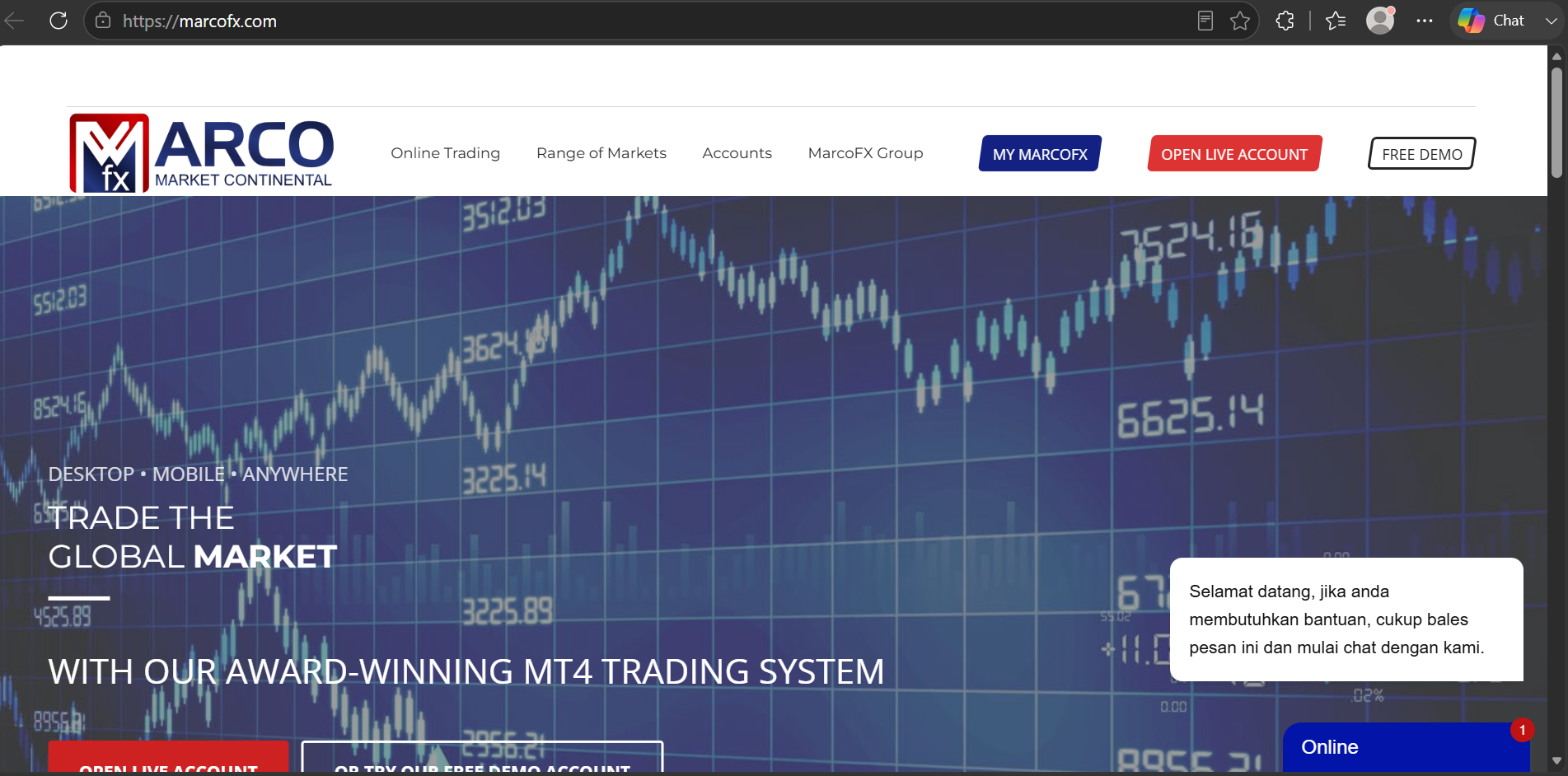
MarcoFX presents itself as a forex and investment trading platform offering access to global markets, account management services, and high-yield trading strategies. On the surface, it follows the familiar template of modern offshore brokers competing for retail investors.
What follows is a straightforward breakdown of the concerns surrounding the platform, because a polished presentation is not the same thing as regulation, transparency, or the ability to return clients’ funds.
Report A Scam Now
After examining its claims regarding regulatory status, transparency, and withdrawal practices, MarcoFX matches the pattern of a high-risk operation where investor protection appears limited and fund recovery can become increasingly difficult.
Regulatory Reality: No Verifiable Financial Authorization
The first and most important checkpoint when evaluating any investment platform is regulation. MarcoFX does not provide evidence of authorization from top-tier financial regulators such as the FCA (United Kingdom), ASIC (Australia), CySEC (European Union), or regulatory frameworks associated with the SEC and FINRA in the United States.
Without verifiable licensing, investors lose many of the protections regulation is designed to provide, including:
- Legal accountability
- Independent audit obligations
- Segregated client fund protections
- Investor compensation schemes
- Formal dispute resolution mechanisms
Structural Red Flag: Transparency Deficiency
Legitimate brokers make ownership information, licensing details, and corporate registration records easy to verify. With MarcoFX, such information appears to be missing, vague, or difficult to independently confirm.
When a company does not clearly disclose who operates it, where it is legally incorporated, and who can be held accountable, investors lose one of their most important safeguards before making their first deposit.
Transparency should never be optional when financial services are involved.
Withdrawal Risk Pattern: The Key Failure Point
The most damaging pattern frequently reported around platforms fitting this profile involves withdrawal difficulties. Deposits are often processed quickly and without friction, while withdrawal requests become significantly more complicated.
Common warning signs include:
- Sudden verification demands
- Unexpected tax or release fees
- Frozen or restricted accounts
- Delayed withdrawal processing
- Pressure to make additional deposits before receiving payouts
- Persistent communication from account managers discouraging withdrawals
This remains the single most important test of any investment platform. A broker that accepts deposits instantly but turns every withdrawal into a negotiation raises serious concerns about how client funds are being managed.
Report A Scam Now
Artificial Performance Environment Risk
Many high-risk platforms display profits that exist only within an account dashboard. The numbers shown by MarcoFX may continue rising steadily, but a balance that cannot be withdrawn should never be treated as realized profit.
Artificial performance displays are frequently used to:
- Encourage larger deposits
- Delay withdrawal attempts
- Build investor confidence through displayed gains
- Discourage investors from cashing out their funds
The moment an investor attempts to withdraw funds, previously hidden complications often become apparent.
A legitimate trading account reflects actual market movements—including both gains and losses. A dashboard that consistently rises regardless of market conditions may represent little more than a marketing tool rather than evidence of genuine trading activity.
Psychological Manipulation Layer
Operations fitting this risk profile frequently rely on personal account managers who gradually build trust before applying pressure through limited-time bonuses, urgent investment opportunities, and discouragement of independent verification.
This emotional engineering is deliberate. Its purpose is to override the caution that would otherwise prevent investors from sending additional funds.
Offshore Structure Risk: Weak Legal Enforcement
Platforms operating within this risk profile are frequently structured through offshore entities established in jurisdictions that provide limited regulatory oversight.
Where MarcoFX is genuinely incorporated appears difficult to independently verify, which is itself a significant warning sign.
An untraceable or offshore legal structure can substantially reduce an investor’s practical options should disputes arise or funds become inaccessible.
Liquidity and Custody Transparency Concerns
There is currently no clear evidence demonstrating that client deposits at MarcoFX are maintained within segregated accounts held by regulated financial institutions.
Without proper segregation, client funds may potentially be:
- Combined with operational accounts
- Subject to liquidity risks
- Difficult to independently verify
- Exposed during financial disputes
Legitimate brokers are generally able to demonstrate where client funds are held and explain the protections in place.
Custody protections are not merely technical disclosures—they determine whether deposited funds continue to receive appropriate safeguards throughout the investment relationship.
Scam Risk Pattern Classification
Taken collectively, the available warning signs place MarcoFX within a recognizable high-risk investment profile. In short, it withholds much of the corporate information investors would ordinarily rely upon when assessing legitimacy.
None of these indicators are consistent with the level of transparency expected from a properly licensed and regulated broker. Individually they raise important questions; together they form a concerning pattern.
Report A Scam Now
Stress Test Questions You Must Ask
Before sending money to MarcoFX, consider the following questions carefully:
- Does the company publish a real, verifiable physical address and leadership information?
- Are the advertised returns realistic, or do they promise unusually high profits?
- Is there pressure to deposit additional funds before a withdrawal is approved?
- Are client funds held in segregated accounts at a named, regulated financial institution?
- Is the legal company name and registration number publicly verifiable?
- Have other users successfully withdrawn substantial balances without paying unexpected fees?
If clear answers are unavailable, investors should proceed with extreme caution.
Why a Working Platform Is Not Safety Proof
A professional website, live market charts, and a responsive application may feel reassuring, but none of these features independently prove that MarcoFX is safe.
Technology is often the easiest part of an operation to imitate. What matters most is whether:
- Investors can reliably withdraw their funds.
- The company is genuinely regulated.
- Client assets are adequately protected.
- Corporate information can be independently verified.
A polished platform without these safeguards remains a convincing presentation—not necessarily a trustworthy financial service.
Final Assessment: Why MarcoFX Is High-Risk
Based upon the combination of weak or unverifiable regulation, transparency deficiencies, withdrawal-risk indicators, and pressure-based investment practices, MarcoFX should presently be treated as a high-risk platform that does not demonstrate the level of investor protection ordinarily expected from regulated financial institutions.
Key concerns include:
- Pressure-based account management practices
- Likely offshore or difficult-to-verify legal structures
- Opaque ownership and corporate information
- No clear proof of segregated client fund protections
- No verifiable authorization from top-tier financial regulators
Stay-Away Conclusion
Until MarcoFX can independently demonstrate genuine regulatory authorization, transparent ownership information, and a reliable withdrawal history, the safest course of action is to avoid the platform and protect your capital.
If you have already deposited funds and are experiencing withdrawal difficulties, act promptly. Preserve all transaction records, save communications with the platform, document every withdrawal request, and seek assistance reporting suspicious activity as soon as possible.