Introduction
Cryptocurrency has created many opportunities, but it has also attracted scammers who use different methods to steal people’s digital assets. Every day, individuals lose money through fake investment platforms, phishing attacks, fraudulent exchanges, and other crypto-related scams.
If you have been scammed, it can feel overwhelming and frustrating. While recovery is not always guaranteed, taking the right steps quickly can help you understand what happened, preserve important evidence, and explore possible options.
This guide explains what to do after a crypto scam, how blockchain transactions can be reviewed, and where victims can seek professional guidance.
Common Types of Cryptocurrency Scams
Fake Investment Platforms
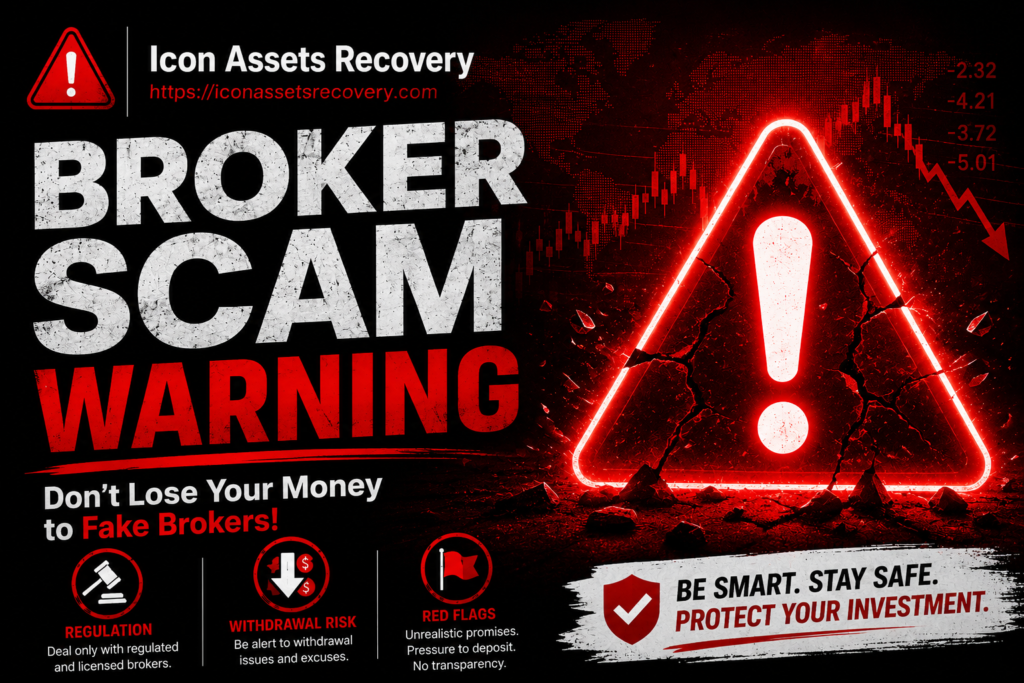
Many scams involve websites or apps that appear to be legitimate investment platforms. They often promise high returns or guaranteed profits. After victims deposit funds, they may find that withdrawals are blocked or the platform disappears completely.
Phishing Scams
Phishing scams use fake emails, websites, or messages to trick users into sharing sensitive information such as login details, wallet information, or private keys. Once access is gained, scammers may transfer funds without permission.
Fake Tokens and Rug Pulls
Some fraudulent crypto projects attract investors through marketing and promises of future growth. After collecting funds, the developers abandon the project, leaving investors with assets that have little or no value.
Impersonation and Social Media Scams
Scammers often pretend to be well-known companies, investors, or industry experts. They use social media platforms to promote fake opportunities and convince victims to send cryptocurrency.
What to Do After a Crypto Scam
1. Stop Sending More Money
One of the most important steps is to avoid sending additional funds. Many scammers continue contacting victims and claim they can recover the money if extra fees are paid.
2. Collect and Save Evidence
Keep all information related to the scam, including:
- Transaction IDs
- Wallet addresses
- Screenshots
- Emails and messages
- Website links
- Payment records
This information can be important when reviewing the incident.
3. Report the Scam
Reporting the incident to the appropriate authorities and platforms can help create awareness and may support future investigations.
Depending on your location, you may consider reporting to agencies such as the FBI Internet Crime Complaint Center (IC3), Federal Trade Commission (FTC), Action Fraud, or other relevant cybercrime authorities.
4. Review Blockchain Transactions
One advantage of cryptocurrency is that transactions are recorded on public blockchains. Blockchain analysis can help trace the movement of funds and identify transaction patterns.
Professional blockchain investigators use specialized tools and methods to analyze digital asset movements and prepare case assessments.
5. Seek Professional Guidance
Every crypto scam case is different. The possibility of tracing or recovering assets depends on factors such as the type of scam, transaction history, available evidence, and how quickly action is taken.
Icon Assets Recovery provides cryptocurrency asset tracing consultations and case assessments for individuals affected by crypto scams, including investment fraud, phishing attacks, fake trading platforms, and compromised wallets.
For more information, visit:
https://iconassetsrecovery.com
Protecting Yourself From Future Scams
To reduce the risk of becoming a victim:
- Research platforms before investing.
- Avoid promises of guaranteed profits.
- Never share private keys or recovery phrases.
- Enable two-factor authentication.
- Be careful with unexpected messages and investment offers.
- Verify information before sending cryptocurrency.
Conclusion
Falling victim to a cryptocurrency scam can be a difficult experience, but taking quick and organized action is important. Preserve your evidence, secure your accounts, report the incident, and seek professional guidance when necessary.
The cryptocurrency space continues to grow, and staying informed remains one of the best ways to protect your digital assets.